
Setting Boundaries Between Work and Personal Time
Stop work from creeping into your personal life. Learn practical strategies to create clear separation and reclaim your evenings and weekends.
Why Boundaries Matter
Work doesn’t end when you close your laptop anymore. Emails ping at dinner. Messages arrive at midnight. Your boss texts on weekends. It’s constant, and it’s exhausting.
But here’s the thing — you don’t have to accept that. Setting real boundaries between work and personal time isn’t selfish. It’s essential for your mental health, relationships, and actually getting better work done. When you’re burned out, everything suffers.
The challenge is that boundaries don’t create themselves. They require intention, clear communication, and sometimes saying no when it’s uncomfortable. But the effort pays off. People who maintain strong boundaries report lower stress, better sleep, and stronger personal relationships.

Strategy 1: Set Hard Stop Times
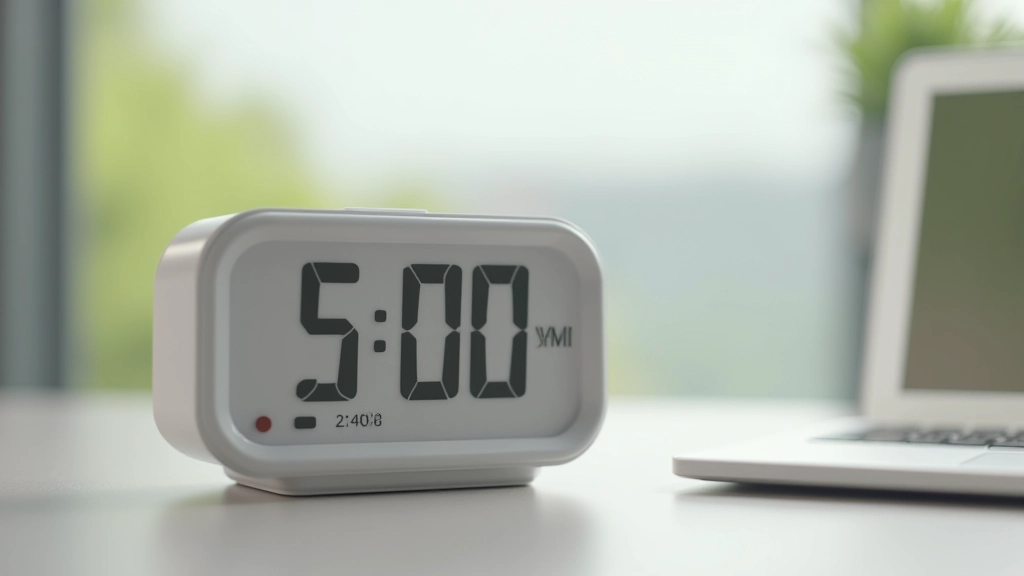
The most effective boundary is a time-based one. Pick a specific time when work ends — 5pm, 6pm, whatever works for your job — and stick to it religiously. Not “usually around then.” Not “most days.” Every single day.
This isn’t laziness. Research shows that people who work 50+ hours per week don’t produce better results than those working 40 hours. Your brain needs rest. You’re actually more productive the next day if you’ve fully disconnected.
Here’s how to make it work: Close your laptop at that time. Shut down your email client. Put your phone in another room if you need to. Tell your colleagues your end time. Make it visible and predictable. When people know you stop at 5pm, they’ll plan accordingly instead of sending urgent messages at 5:30pm.
Strategy 2: Create Physical Separation
If you work from home, this is critical. Your home becomes both your office and your sanctuary if you’re not careful. You need a physical boundary.
Ideally, use a separate room or desk area for work. When you’re at that desk, you’re working. When you leave it, work stays there. If you don’t have a separate room, use a divider, curtain, or even just a specific corner of a table that you cover up when work is done.
The ritual matters. Some people literally change clothes after work — they change out of their “work outfit” into comfortable clothes. Others close the office door. A colleague I know puts her work laptop in a drawer and shuts it. Small actions create big mental shifts. Your brain starts to recognize: this place is for living, not working.


Strategy 3: Manage Your Notifications
Every ping is a tiny interruption that pulls your attention back to work. You’re having dinner with your family and an email notification pops up. Even if you ignore it, your brain knows it’s there. It’s like having someone tapping you on the shoulder.
Turn off work notifications after hours. Actually turn them off — not just on your phone, but also on your computer, watch, and any other device. Set your email to stop sending notifications at 5:30pm and resume at 8am. Do the same with Slack, Teams, or whatever messaging app you use.
If you’re worried about missing emergencies, that’s legitimate. So create an exception. Your boss can call your personal phone if there’s a real emergency. But emails and chats? Those can wait. They’re not emergencies. By removing the constant notification stream, you’ll be amazed at how much mental space opens up in the evening.
Communicate Your Boundaries Clearly
People aren’t mind readers. If you don’t tell them your boundaries, they’ll assume you’re available whenever. That’s not their fault.
Tell your manager, team, and key contacts what your working hours are. Put it in your email signature. Include it in your calendar availability. Send a quick message: “I want to give you a heads up that I’m blocking off my evenings for personal time. I’m available 9am-5pm for urgent matters. Non-urgent items can wait until the next business day.”
Most reasonable people will respect that. They might even appreciate knowing where you stand. Some might follow your lead and set their own boundaries.

Implementing Your Boundaries: A Practical Framework
Ready to actually do this? Here’s how to get started without it feeling overwhelming:
Pick Your End Time
Choose a realistic time when you’ll stop working. Write it down. Tell someone. Make it official in your mind.
Set Up Your Tools
Turn off notifications. Set email to stop sending alerts after hours. Close your laptop. Create your physical boundary if you work from home.
Communicate It
Tell your manager and team. Update your email signature. Add it to your calendar. Make it visible and official.
Practice Saying No
When someone asks for something after hours, use one of those scripts. Stay consistent. It gets easier after the first few times.
Actually Take Personal Time
This is crucial. You’ve set the boundary, now use it. Don’t just sit at home thinking about work. Do something that genuinely fills you up.

What to Do With Your Reclaimed Time
Setting boundaries only works if you actually use them for something that matters to you. Sitting on your couch anxiously checking your phone isn’t reclaiming your time — it’s just not working at your couch.
Fill your personal hours with things that genuinely restore you. This looks different for everyone. Some people need physical activity. Others need creative pursuits. Some need social connection. Some need solitude. The point is that it should be something you choose, not something work demands.
You don’t need elaborate plans. A 30-minute walk. Cooking a proper meal. Reading a book. Playing with your kids. Meeting friends. A hobby you’ve been putting off. Sitting quietly without your phone. Whatever genuinely helps you feel like yourself again.
Your Boundaries Are Non-Negotiable
Setting boundaries between work and personal time isn’t about being lazy or uncommitted. It’s about sustainability. You can’t give your best work if you’re exhausted, stressed, and never disconnecting.
Start small if you need to. Even implementing one or two of these strategies will make a difference. The hard stop time at 5pm. Turning off notifications. Saying no to one after-hours request. These aren’t huge changes, but they compound into real rest and recovery.
Your personal time matters. Your mental health matters. Your relationships matter. And honestly? Your work will be better when you’re not burned out. So set those boundaries. Communicate them. And then actually protect them. You deserve time that’s just yours.
Important Disclaimer
This article provides general information and strategies for managing work-life boundaries. The approaches described are educational in nature and based on common workplace practices and wellness principles. Individual circumstances vary significantly — what works for one person may not work for another depending on job type, industry, and personal situation. If you’re experiencing severe stress, burnout, or mental health concerns, please consult with a qualified healthcare professional or counselor. This information is not a substitute for professional advice. Your specific workplace policies and employment agreements should always be considered when implementing boundary strategies.