Nature-Based Relaxation Strategies
How spending time outdoors reduces stress and improves mental health. Simple ways to incorporate nature into your routine, even in busy urban areas.
Why Nature Works for Your Nervous System
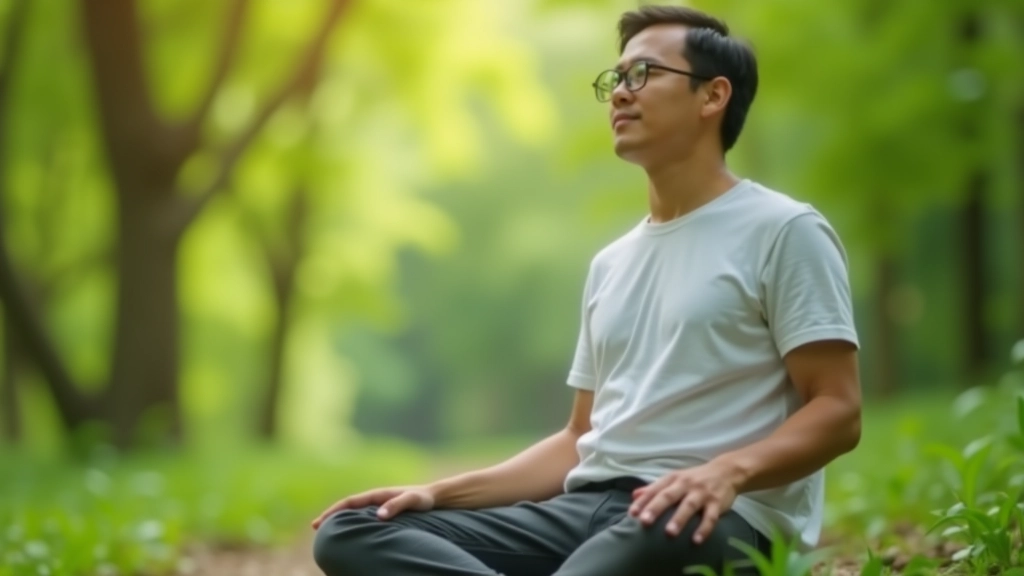
You’ve probably felt it before — that shift in your breathing when you step outside, the way tension drops from your shoulders under open sky. It’s not imagination. Nature doesn’t just feel good; it actively rewires how your body responds to stress. When you’re surrounded by trees, water, or green spaces, your parasympathetic nervous system activates. That’s the “rest and digest” mode your body needs after weeks of deadlines and notifications.
The research is clear. Just 20 minutes in nature reduces cortisol — your primary stress hormone. More time produces bigger effects. A 2019 study found that 120 minutes per week in natural spaces creates measurable improvements in reported well-being and mental health outcomes.
Forest Bathing: The Ancient Practice Making a Comeback
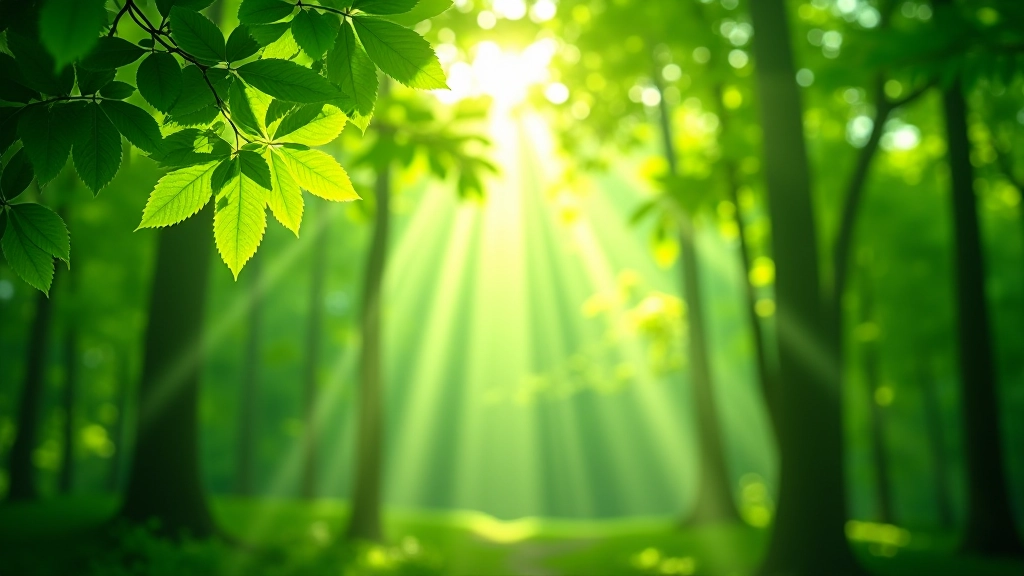
Forest bathing — or shinrin-yoku in Japanese — isn’t about getting wet. It’s about immersing your senses in the forest environment. No phones. No fitness tracking. Just you, the trees, and deliberate attention to what you’re experiencing.
Here’s what happens when you practice it properly. You slow your pace intentionally. Your eyes focus on varying depths of green. You notice the scent of earth and pine. Your ears catch the rustling of leaves, bird calls, maybe water running nearby. This sensory engagement pulls your mind away from worry cycles. It’s meditation without the sitting-still requirement.
The Practice: Find a wooded area or park. Spend 40-60 minutes walking slowly, stopping whenever something catches your attention. Breathe consciously. Touch tree bark. Listen more than you talk. That’s it. No special equipment needed.
Water: The Instant Calm Switch
If forests take 40 minutes to work their magic, water does it faster. Being near water — oceans, rivers, lakes, even fountains — activates what researchers call “soft fascination.” Your brain engages just enough to stay present without exhausting your attention. The result? Anxiety drops noticeably within minutes.
The rhythm of waves or flowing water follows patterns similar to healthy breathing. Your nervous system syncs with these patterns almost automatically. You don’t have to think about it. Sitting by the water for 15-20 minutes shows measurable decreases in heart rate and blood pressure in most people.
- Ocean or large lake: 15-20 minutes for noticeable calm
- River or stream: Focus on the sound and movement
- Small water feature: Even a fountain in an urban park works
- Rainy window view: Surprisingly effective when outdoors isn’t possible

Urban Nature: Working With What You Have
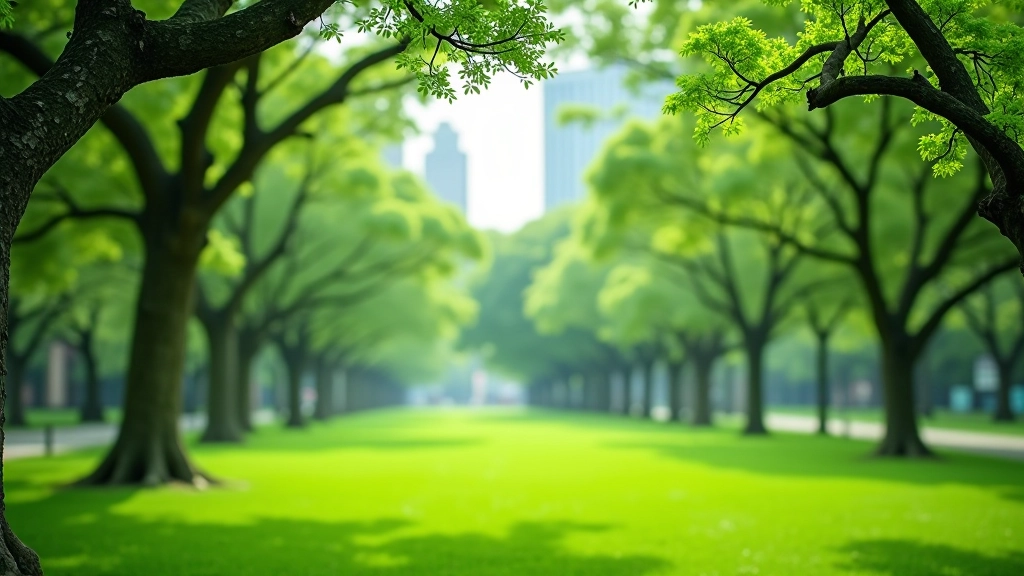
Not everyone lives near forests or beaches. If you’re in a city, don’t wait for the perfect natural setting. You can build nature time into your weekly routine with what’s actually available.
A 15-minute walk through a park beats sitting in your apartment. A single houseplant in your workspace reduces stress measurably. Even looking at images of nature for 5-10 minutes produces small but real physiological changes. The key is consistency. Two sessions of 30 minutes per week will shift how you feel more than one perfect weekend trip to nature.
Realistic Weekly Integration
Monday/Wednesday: 20-minute walk in nearest park during lunch break. Saturday morning: 45-60 minute forest or nature reserve visit. Daily: Spend 10 minutes on your balcony or by a window with plants. Evening: Replace scrolling with watching nature documentaries or nature live-streams.
Seasonal Shifts: Nature Adapts, So Should You
Malaysia’s tropical climate means nature is active year-round, but your stress patterns shift seasonally. During rainy months, the air pressure drops and many people feel more introspective. That’s not a bug — it’s an opportunity. Rain bathing (listening to rainfall, sitting under covered spaces while it rains) is deeply calming.
Hot, humid months can feel overwhelming. This is when early morning or late evening nature time works best. You avoid peak heat while still getting the benefits. During drier seasons, your body may need water-focused activities more — visiting rivers, sitting by fountains, or simply listening to recorded water sounds becomes more restorative.
Making Nature Time Actually Happen
The biggest barrier to nature-based relaxation isn’t lack of nature. It’s forgetting to prioritize it. Here’s what actually works:
Schedule It Like Appointments
Sunday at 7am: Park visit. Tuesday 12:30pm: Lunch walk. Don’t wait for motivation. Calendar blocks create accountability and protect the time from work demands.
Start Stupidly Small
10 minutes on your balcony beats zero minutes waiting for a free afternoon. Consistency matters more than duration. Build from there once it becomes habit.
Remove Friction
Keep walking shoes by the door. Have a nearby park mapped out. Make it easier to go than to skip. The path of least resistance should lead to nature, not away from it.
Phone Stays Away
Leave it in your pocket or at home. No photos, no tracking, no messages. The benefits drop significantly when you’re documenting instead of experiencing. Your nervous system needs genuine disconnection.
The Biology Behind the Calm
You’re not imagining the relaxation. Specific biological systems activate when you’re in nature. Phytoncides — natural oils released by trees — enter your bloodstream through breathing. Your body responds by increasing natural killer cells, which strengthen immune function. Negative ions near water and vegetation increase serotonin availability in your brain.
Green spaces reduce inflammation markers in your blood. Blue spaces (water) lower cortisol and adrenaline. Exposure to natural light regulates melatonin production, improving sleep quality. These aren’t subtle effects. They’re measurable, reproducible, and happen faster than most people expect.

Starting Your Nature Practice Today
You don’t need a perfect plan or special skills. Nature-based relaxation is accessible, free, and available right now in your city. The most effective strategy is the one you’ll actually do consistently.
Pick one nature activity that appeals to you. Commit to it for two weeks. Notice what shifts — your sleep, your mood, how you handle work stress, whether you feel less anxious. The evidence will be personal and undeniable. After two weeks, it’ll feel less like an obligation and more like something you genuinely want to protect.
Ready to Explore More Relaxation Strategies?
Discover complementary stress management techniques that work alongside nature-based practices.
Browse Related ArticlesInformation Disclaimer
This article provides educational information about nature-based relaxation strategies and their general effects on stress management. It’s not a substitute for professional medical or mental health advice. While nature exposure has well-documented benefits supported by research, individual results vary based on personal circumstances, health conditions, and existing stress factors.
If you’re experiencing severe anxiety, depression, or other mental health concerns, consult with a qualified healthcare provider or mental health professional. Nature-based practices work best as part of a comprehensive approach to wellness that may include professional support when needed.